
Chiropractic Care for a Digital Age: Alleviating Tech-Related Strain
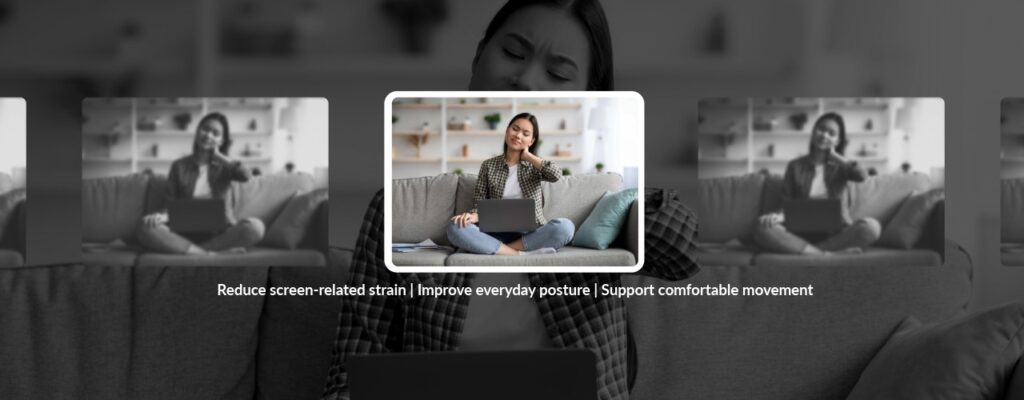
Modern daily life relies heavily on screens. Whether you work on a laptop for hours, scroll through news on your phone, or manage tasks on a tablet, digital devices shape how we move throughout the day. Over time, staring down at displays places continuous stress on the head, neck, and upper spine. Many office workers and students across Canada experience upper back tightness, shoulder stiffness, and tension headaches from prolonged screen exposure. Exploring chiropractic care for tech strain provides a practical pathway to support posture and enhance physical mobility. Contact the clinical team at Peach Physiotherapy to learn more about posture-focused spinal care.
How Modern Screens Place Heavy Stress on Your Spine
The human head weighs between ten and twelve pounds in a neutral, upright position. However, when you tilt your head forward to look at a monitor or smartphone, the effective weight supported by your cervical spine increases dramatically. Holding a forward head posture for extended periods creates significant physical tension across the upper back and shoulders.
This forward positioning alters how spinal joints share physical loads. As suboccipital muscles at the base of the skull shorten and tighten, upper back muscles stretch beyond their normal length. This chronic tissue strain can lead to restricted joint mobility, local discomfort, and reduced stamina during long work shifts.
Why Simple Rest Does Not Correct Postural Changes
Taking a short break from your computer offers temporary comfort, but rest alone rarely addresses established joint restrictions or muscle imbalances. When your spine adapts to a slouched posture, your body defaults to that position even when you walk or stand. Relying on willpower to sit up straight often causes early muscle fatigue because the underlying structural support remains compromised.
Integrating chiropractic care for tech strain helps align joint structures while improving spinal movement. Chiropractors focus on restoring proper joint mechanics in the neck and upper back, allowing surrounding muscles to function efficiently without unnecessary tension.
Practical Workplace Habits You Can Adopt Today
You can take supportive steps during your daily routine to reduce the physical impact of device use:
Position Your Screen at Eye Level
- Adjust your desk monitor so the top third of the screen sits directly at eye level, keeping your chin parallel to the floor.
Take Regular Movement Intermissions
- Change your position every forty-five minutes by standing up, opening your chest, and rolling your shoulders backward.
Hold Phones Higher
- Bring handheld devices up toward eye level instead of dropping your head down to look at your lap.
Support Your Lumbar Curve
- Place a firm cushion behind your lower back to maintain an upright pelvic foundation while sitting.
How a Chiropractic Evaluation Identifies Spinal Stress
An initial assessment at Peach Physiotherapy evaluates how your neck, shoulders, and mid-back function as a unified system. A structured intake evaluating chiropractic care for tech strain looks at several key movement factors:
- Cervical and thoracic spine range of motion during rotation and side-bending.
- Postural alignment of the head, shoulders, and pelvis while sitting and standing.
- Joint mobility and spinal segment restriction in the upper back.
- Muscle endurance in the deep neck flexors and shoulder blade stabilizers.
Aligning Your Custom Plan of Care
Your chiropractor works directly with you to build a practical care plan tailored to your workplace demands. Care often includes targeted spinal adjustments to restore joint motion, soft tissue therapy to ease muscular tightness, and specific posture exercises. Through customized care and active rehabilitation, chiropractic care for tech strain supports your daily posture while helping you build endurance for long work hours.
Your clinician guides you through simple postural drills that strengthen upper back muscles, helping your spine maintain an upright position naturally.
Benchmarks of Steady Physical Progress
As your care plan progresses, you will notice gradual improvements during your workday. Sitting at your computer for extended periods feels far more comfortable, and end-of-day shoulder tightness decreases. Turning your head to look over your shoulder becomes smooth, and tension headaches occur less frequently. Choosing chiropractic care for tech strain builds long-term spinal stability and gives you useful strategies to manage daily digital demands.
Begin Your Path Toward Comfortable Movement
Taking proactive steps to support your spine helps you navigate screen time with greater comfort. When you visit Peach Physiotherapy, your chiropractor evaluates your posture, listens to your concerns, and outlines a supportive approach tailored to your daily schedule.
Schedule your spinal health consultation with Peach Physiotherapy today to support your posture!